UX case study
Migration due to education and jobs has seen an increase in previous years, which has increased the demand for hostels and PGs. However people find it difficult to finalize the stay without having done countless tours to the hostels/PGs.
UrbanLiv is a tool that allows individuals to search for PGs at the desired location or nearby and providing adequate information to help them make well-informed decisions.
Finding a new PG can be very stressful — from the countless tours to the enormous costs associated with the process. The challenge was to find an easy and stress-free way for the users to find affordable and quality PGs nearby.

We conducted user interviews with a diverse group of individuals aged 18-30, representing both students pursuing higher education and young professionals who had relocated to different cities for job opportunities. The aim was to gain deep insights into their housing experiences and the challenges they faced in finding suitable accommodations.
Participants were asked about their current living arrangements and the methods they used to secure their accommodations. We tried to emphasize more on understanding their problem first.
The insights were mind bogging. Some of the key insights are given below.

We gathered all the research insights and put them together to analyse. After some analysis, we found 3 keywords that largely covered all the problems.
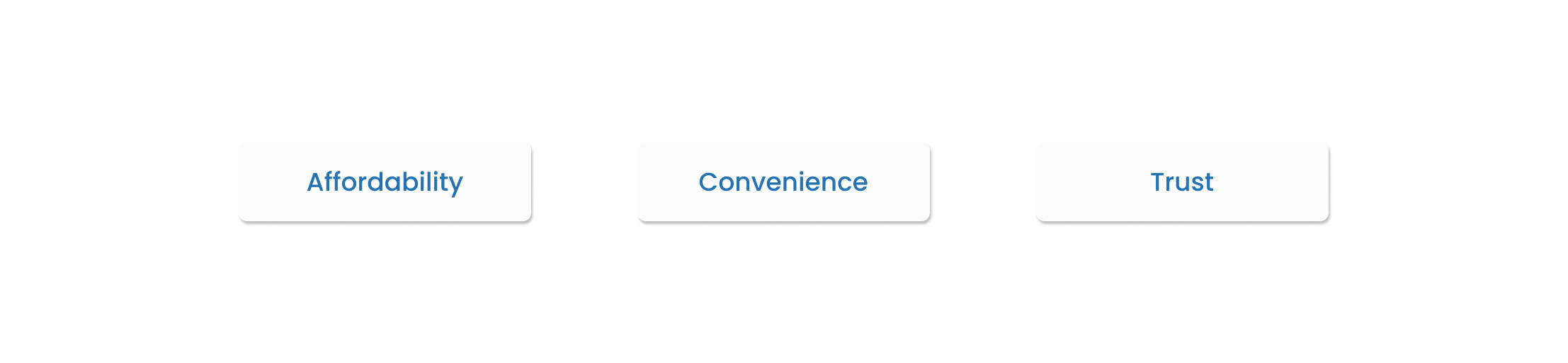
Affordability - Many revealed that they had opted for paying guest (PG) accommodations due to their affordability compared to independent apartments or hostels. They emphasized the importance of affordability, especially considering the financial constraints often faced by students and young professionals.
Convenience - Convenience was another key factor highlighted during the interviews. Participants appreciated the additional services provided by PG accommodations, such as housekeeping, laundry facilities, and meal options. These amenities were seen as time-saving and contributed to a more comfortable living experience.
Trust - The interviews also brought to light the issue of trust when it came to finding accommodations through digital platforms. Many participants expressed concerns about potential scams or fraudulent listings, leading them to be cautious when using online platforms. As a result, some relied more on recommendations from trusted contacts or word-of-mouth referrals.
Overall, the interviews revealed a complex landscape of housing preferences and challenges among young adults. While affordability and convenience were significant factors influencing their choices, trust emerged as a crucial aspect that shaped their decision-making process. These insights provided valuable direction for the development of UrbanLiv, highlighting the need for a solution that not only addresses affordability and convenience but also prioritizes building trust and credibility within the housing search process. Therefore, we decided to craft problem statement on these.
To develop a user-friendly and trustworthy solution that enables individuals to effortlessly discover affordable and quality paying guest accommodations (PGs), prioritizing convenience and affordability while ensuring trustworthiness in the selection process.
After doing a thorough analysis of the research for the problem, we went ahead and created user personas for defining our target users.
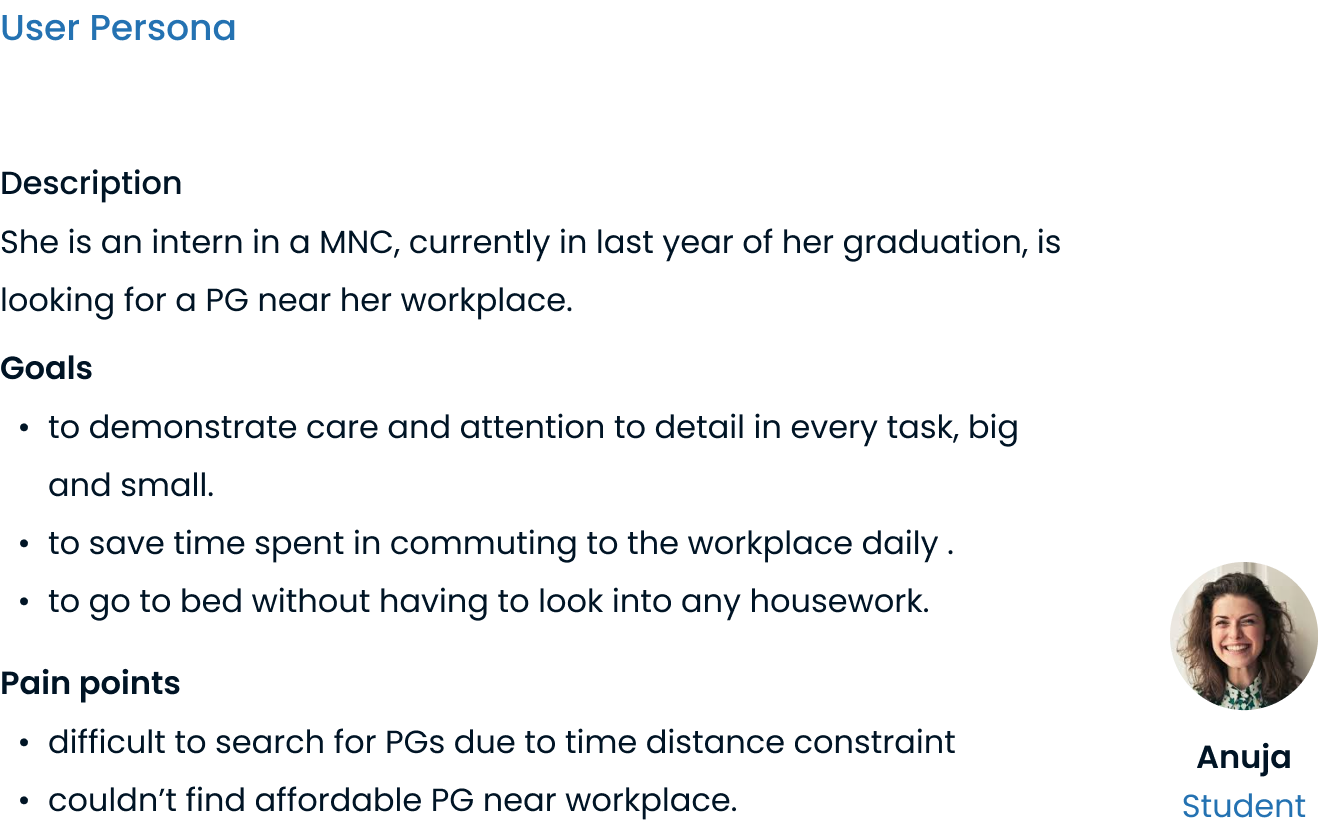
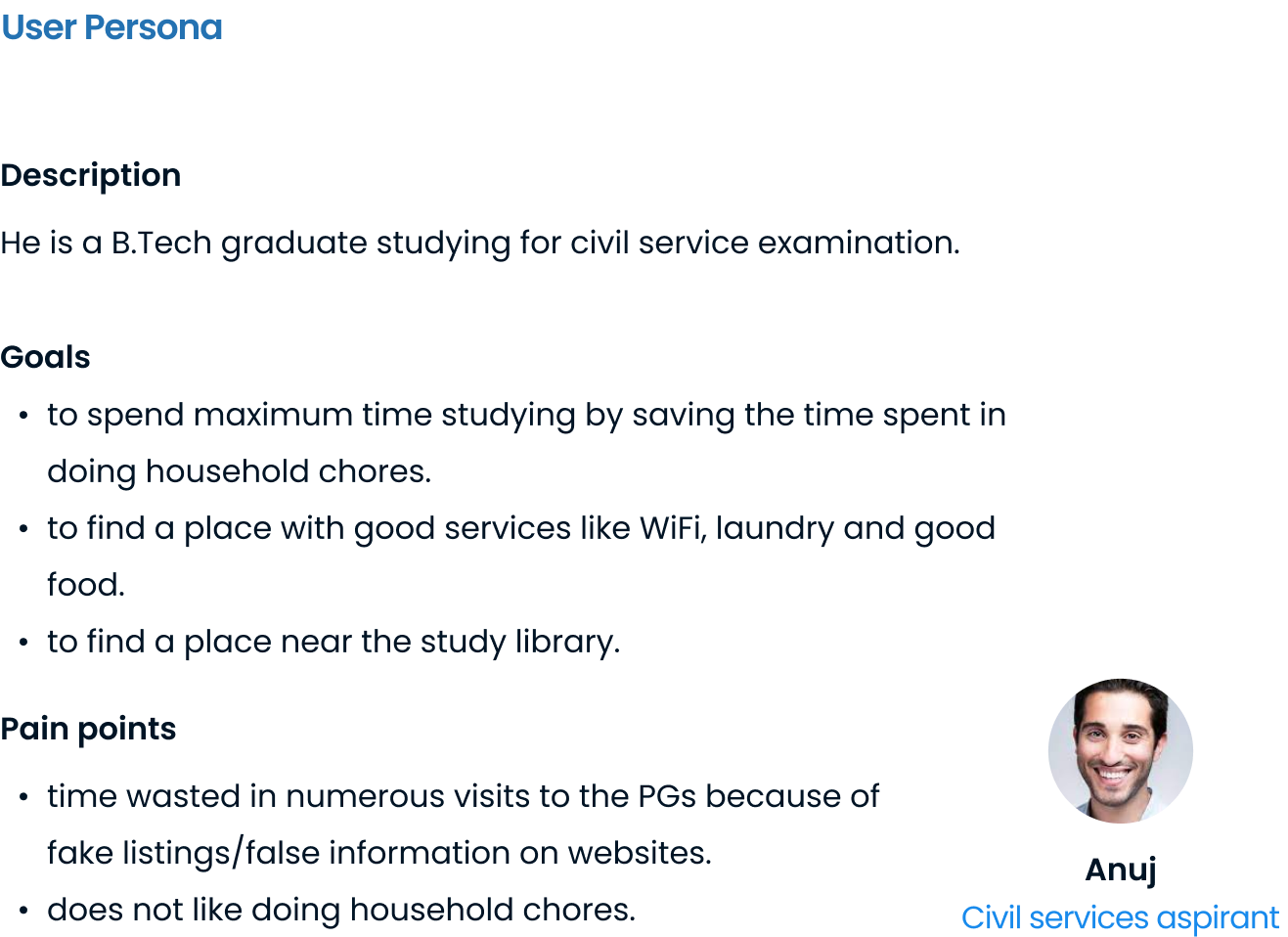
During the ideation phase, the team engaged in collaborative brainstorming sessions aimed at generating innovative solutions to the challenges faced by PG seekers. Ideas were encouraged to be creative, and focused on addressing the core pain points identified during the research phase, including affordability, convenience, and trust. Through open dialogue and iteration, the ideation process fostered a culture of creativity and exploration, ultimately leading to the generation of diverse concepts aimed at revolutionizing the way PG accommodations are discovered and secured.
We moved to affinity mapping to organize and synthesize the multitude of ideas generated. Affinity mapping involved grouping similar ideas into clusters based on common themes or objectives. Through this process, patterns and trends within the ideas began to emerge, providing valuable insights into potential areas of focus.
The affinity mapping exercise facilitated collaborative sense-making and allowed us to visualize the landscape of potential solutions. By identifying clusters of ideas related to affordability, convenience, and trust, the team gained a clearer understanding of the most promising directions to pursue further.
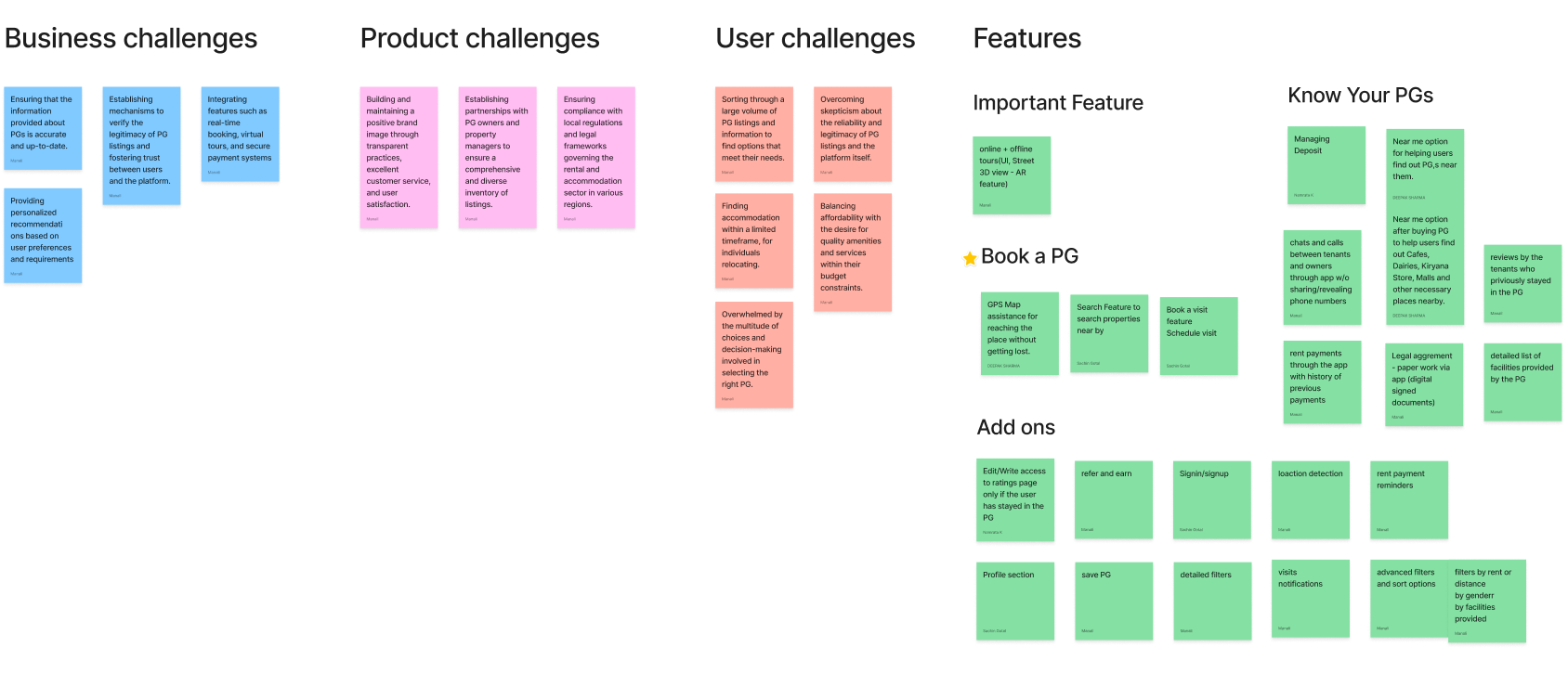
We remained aware of the importance of trust in the rental process, recognizing it as a critical factor influencing user satisfaction. While exploring various ideas, particular emphasis was placed on strategies to build trust between tenants and PG owners. This included exploring features and functionalities that would provide transparency and accountability within the platform.
Due to time constraints and resource limitations, we decided to focus efforts primarily on the tenant-facing aspects of the platform, with the understanding that enhancing trust is a collaborative endeavor involving both parties.
Ultimately, after careful consideration and analysis, the concept of UrbanLiv emerged as the chosen solution. By leveraging technology and user-centric design principles, UrbanLiv aims to revolutionize the PG finding experience, offering users a seamless and trustworthy platform to discover their ideal accommodations.
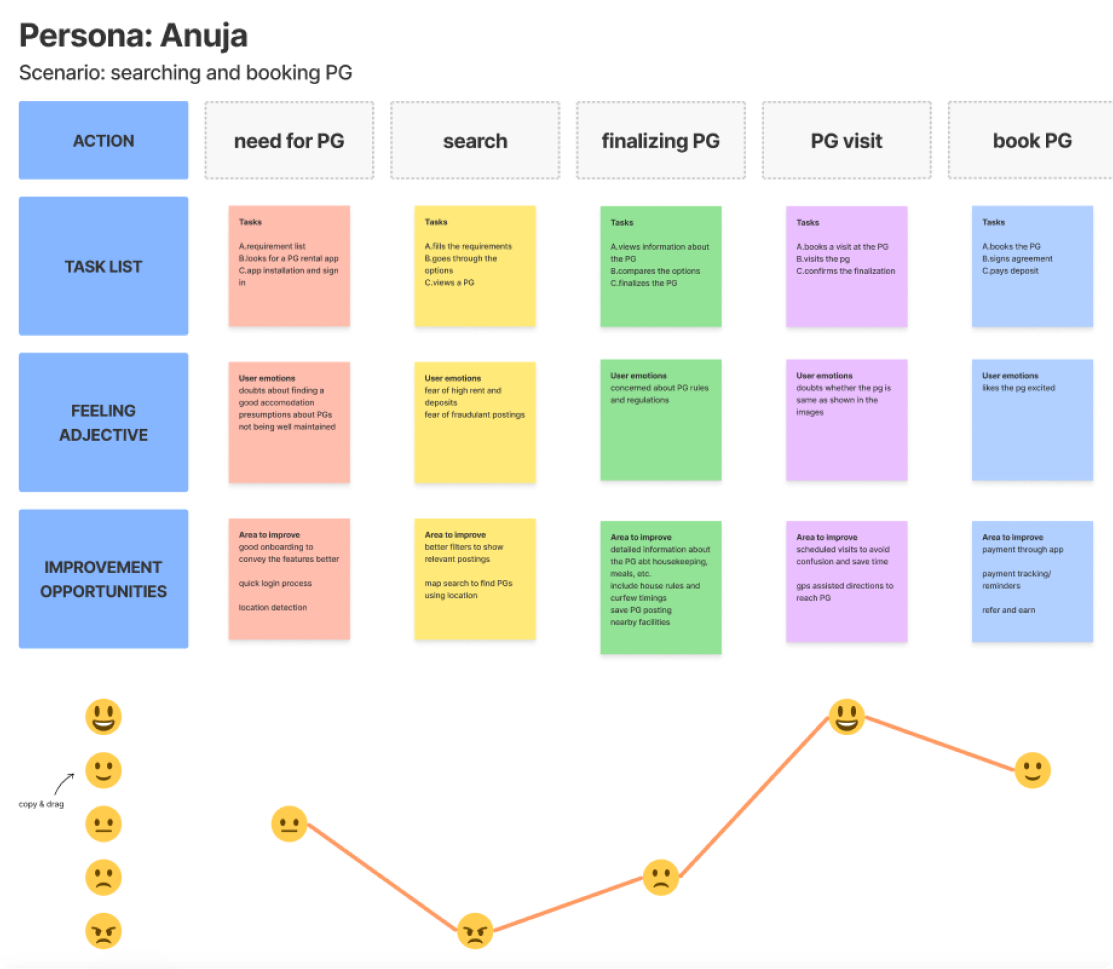
The customer journey map showcases the user experience of UrbanLiv- our app to find PG. It outlines the stages the user goes through right from app discovery to PG booking, capturing key touchpoints and user emotions along the way. This visual representation provides insights into the user’s motivations, challenges, and desired outcomes, helping us enhance the satisfaction of the tenant.
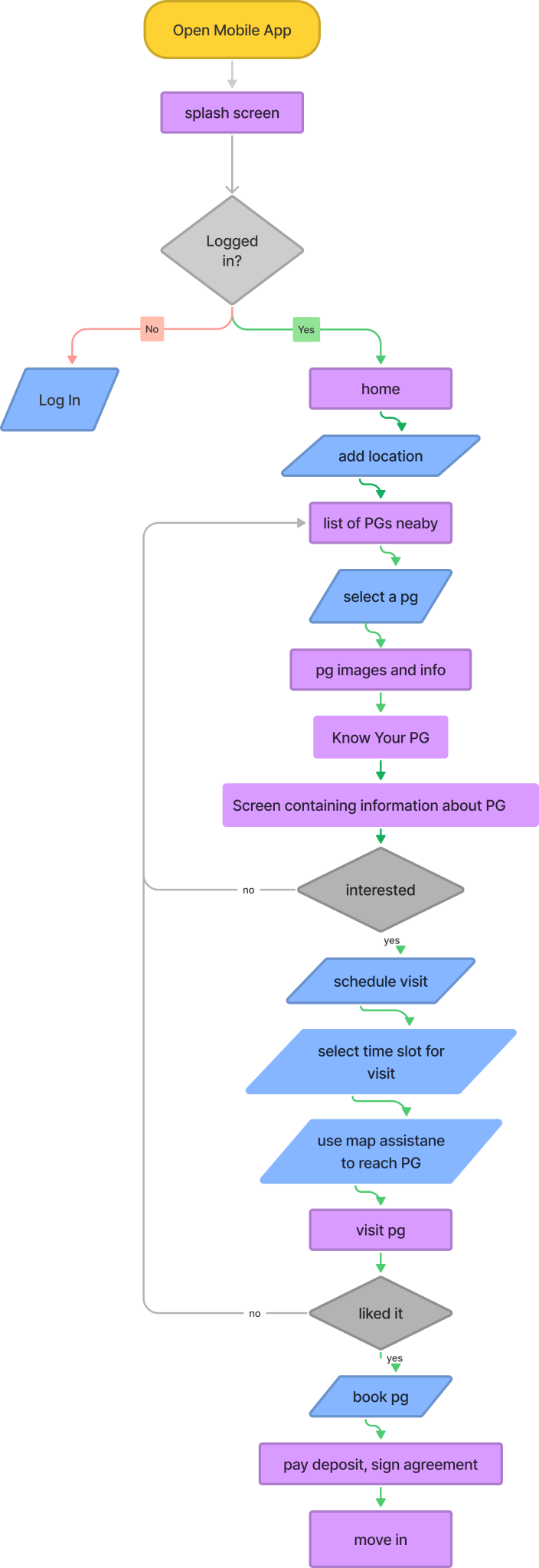
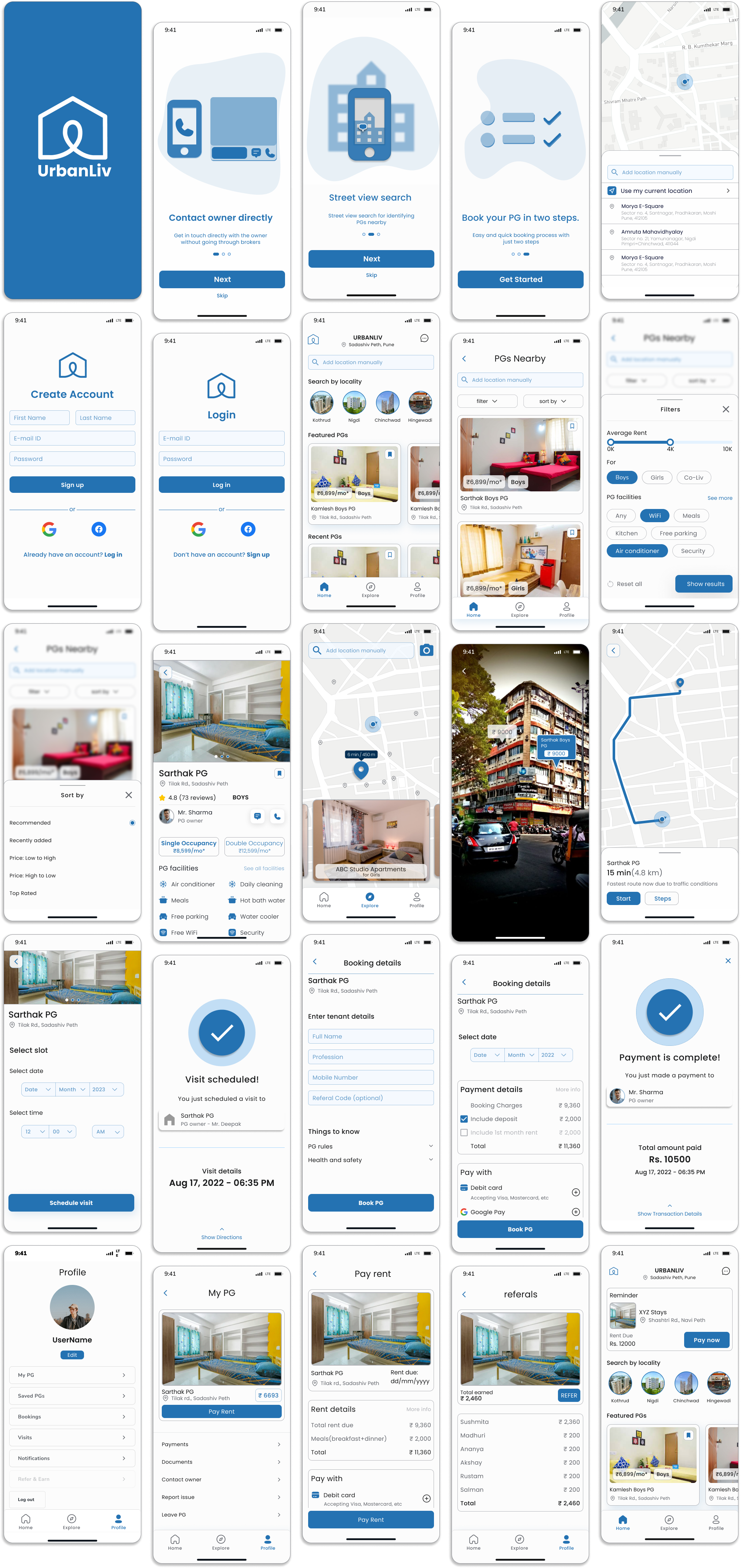
We created a flowchart to visualize how the user will interact with the app, right from opening the app, to finalizing the PG by paying the deposit and moving in.
Finally, we began working on the digital solution for this problem.
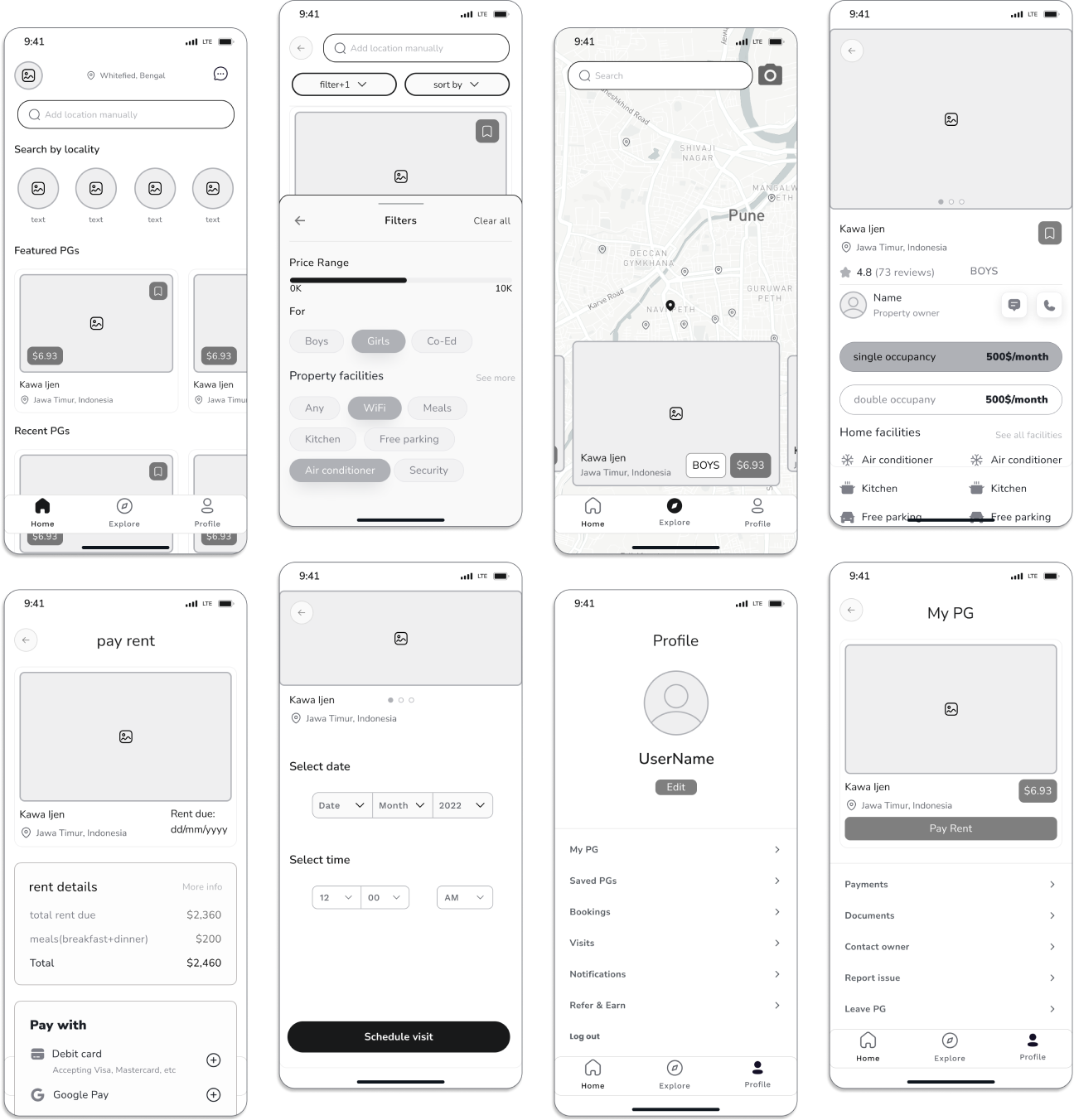
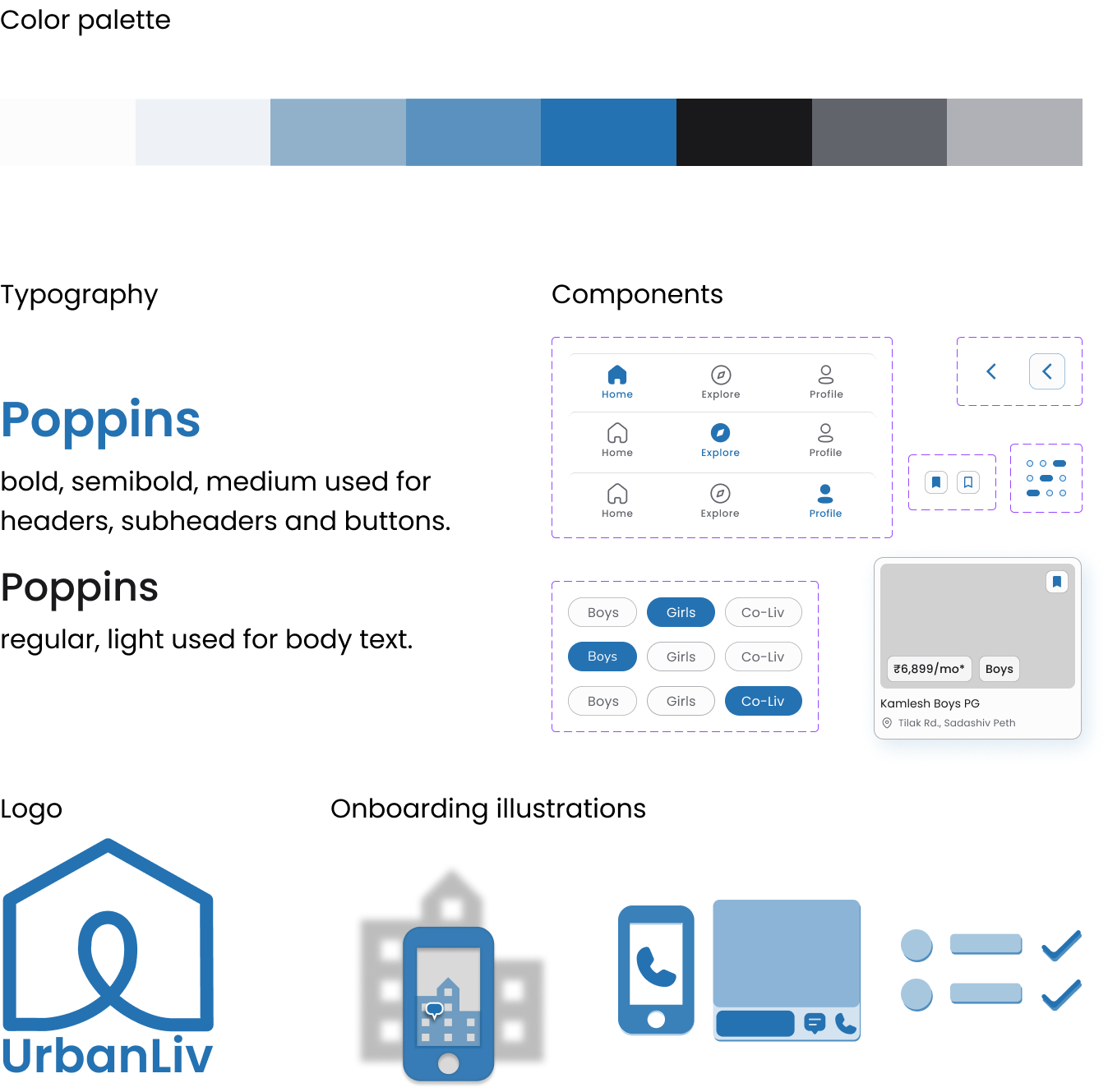
The design phase involved extensive iteration, starting with low-fidelity wireframes and progressing to final wireframes and a style guide to ensure consistency and usability across the platform.
We started with sketching up paper wireframes and iterating them. And then moved on to creating low- fidelity wireframes in Figma, below are images of a few of them.